DECENTRALIZED
CULTURAL
CENTER

WE_CREATE_THE_CITY
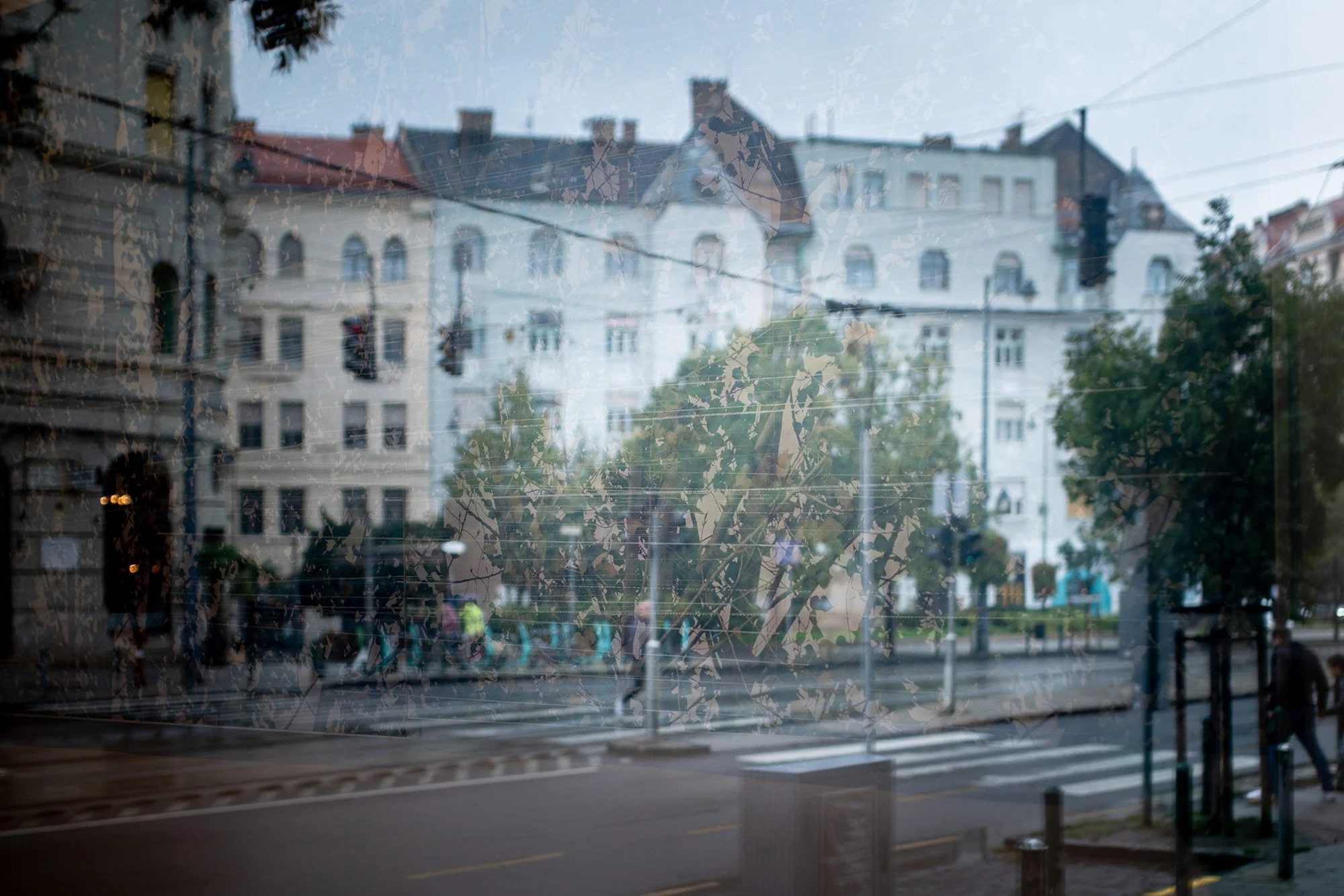
A city comes alive when it makes room for experimentation, for slowly unfolding development, for collective thinking. That’s why we think in terms of ecosystems where culture isn’t an add-on, but an integral part of everyday functioning. Across all our projects, we observe how an empty space becomes imbued with meaning, how local connections intertwine, and how a place becomes infrastructure, an event becomes a neighbourhood, and a process turns into knowledge that feeds back into urban policy and everyday use of the city.
11_11 is an organisation that operates at the intersection of urbanism and contemporary art. We activate vacant municipal spaces that no longer serve a function in the city, yet hold the potential to foster community and cultural presence. A high number of unutilised properties indicate that spaces within the urban fabric are temporarily losing their purpose – but for us, these are not absences. They are opportunities to move towards a more people-centred, sensitive, and community-oriented urban life.
WE_CREATE_SPACES
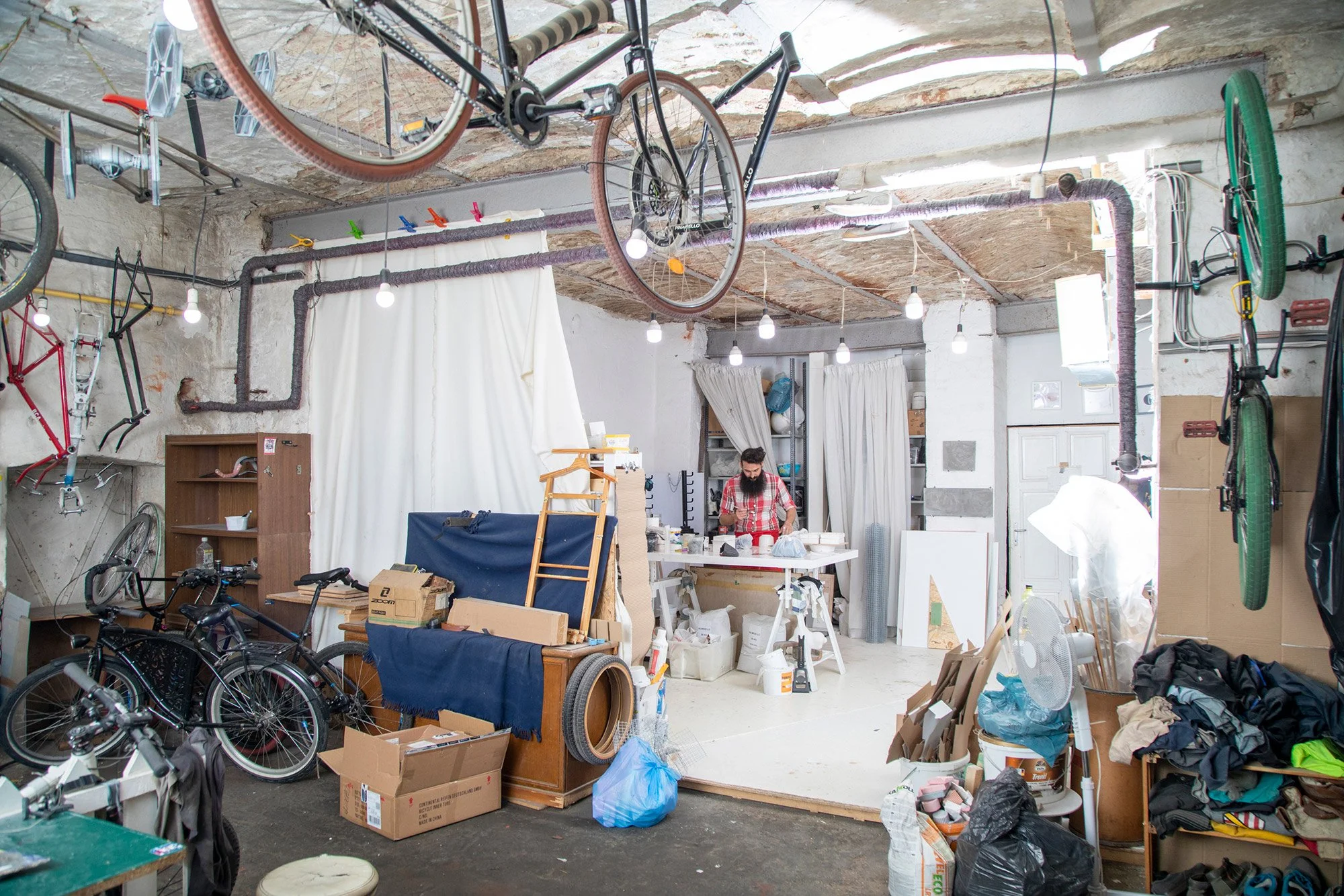
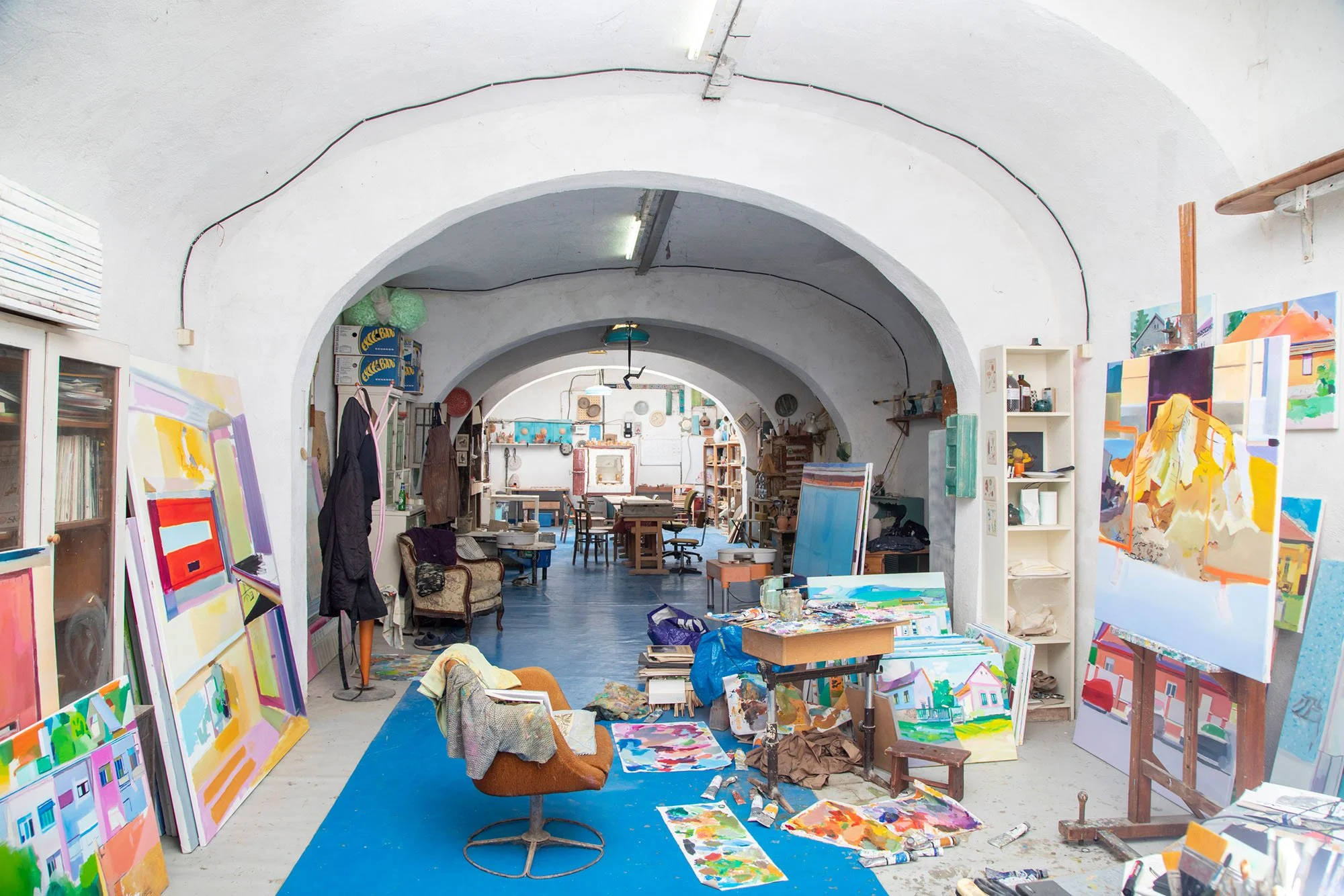
We start with the city’s forgotten corners, taking over basements, courtyards, old shops on long-term lease and opening them up for use. We breathe new life into them, one that naturally blends work, community, and everyday presence. So does the story of a diverse network take shape in the Bartók Quarter as well as the districts of Józsefváros, Kőbánya, and beyond, with ever new chapters written by artists and locals alike. From studios and workshops to 1111 Gallery, every space operates differently, yet shaped by the same logic: an empty space is not a burden, but an opportunity.
WE_CREATE_EXHIBITIONS
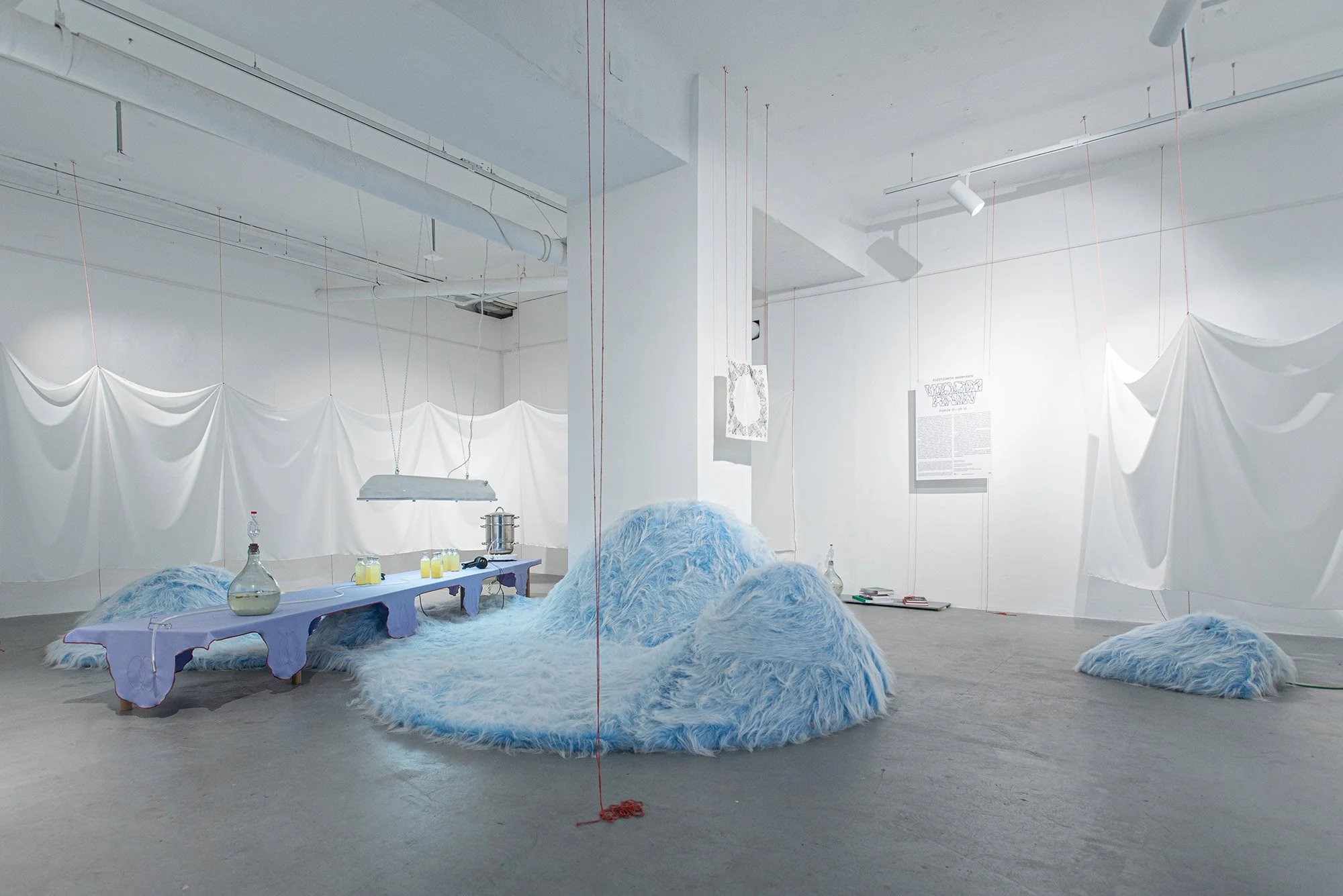
We create situations in which contemporary art responds to infrastructure, materials, and the hidden rules of how the city operates. Shared experiences emerging from aesthetic encounters strengthen community and collective engagement, opening up new ways of being together and bringing people closer to one another. For us, the exhibition space – whether a disused basement, an underpass, a stairwell, a café, or a gallery – is also an experimental lab. We bring exhibitions and art projects to 1111, to Művház Café, to public spaces, and to partner institutions both locally and abroad. Art returns to the street as gesture and experience – re-entering the everyday flow that brings it to life.
WE_CREATE_NEIGHBOURHOOD
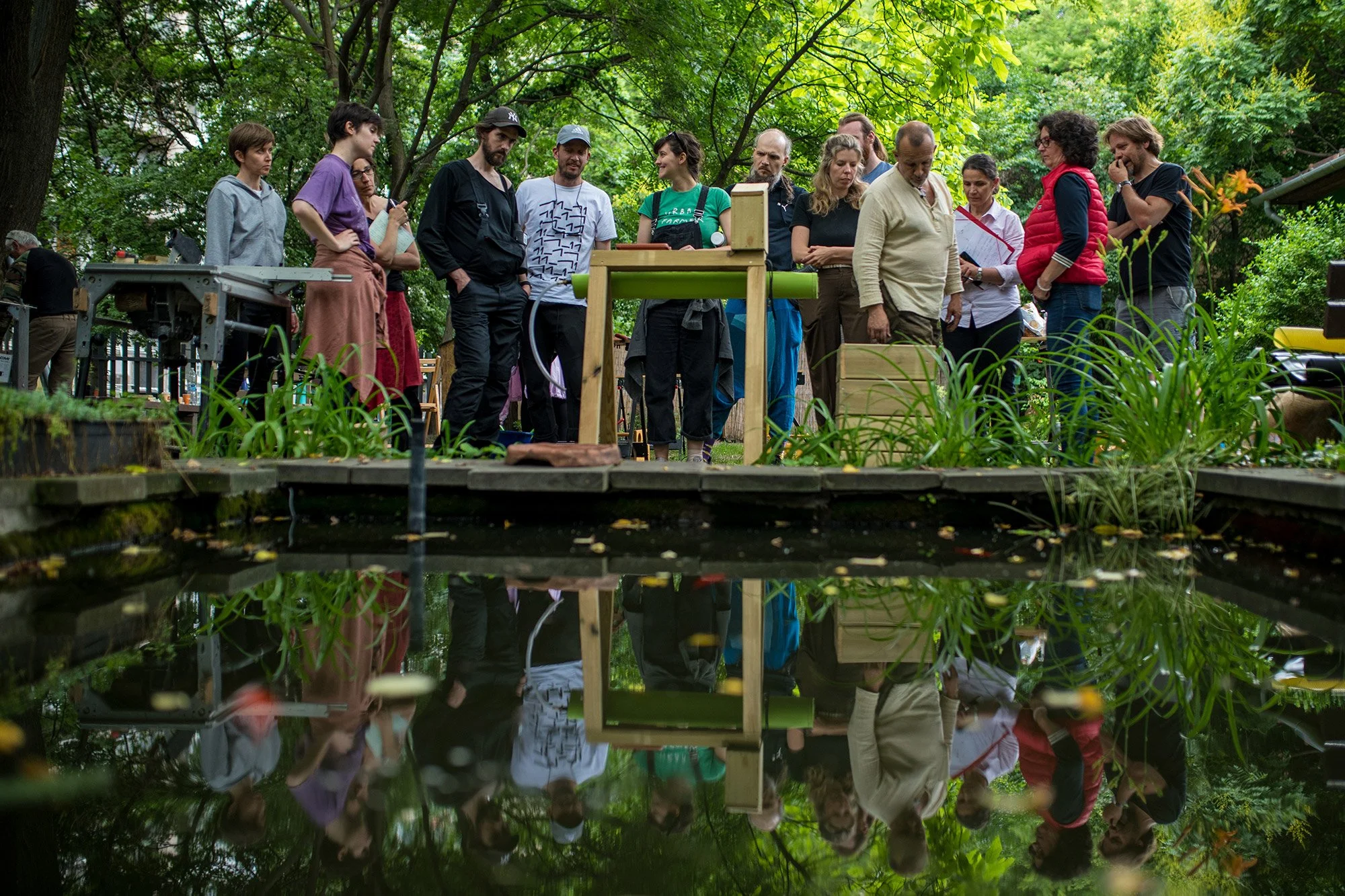
The true face of a city reveals itself in the streets, squares, and passages where we meet one another almost without noticing. Bartók Quarter, Margit Quarter, Józsefváros, or the area of S1 in Kőbánya are, for us, sites shaped by the collective presence of participants. We create workspaces, festivals, walks and unusual situations in public space, often in collaboration with local actors. On these occasions, art becomes a tool for making the voice of the neighbourhood heard, ensuring that participants are not mere spectators, but weave themselves into the story from which, over time, a distinct image of the city itself will unfold.
WE_CREATE_STRATEGY
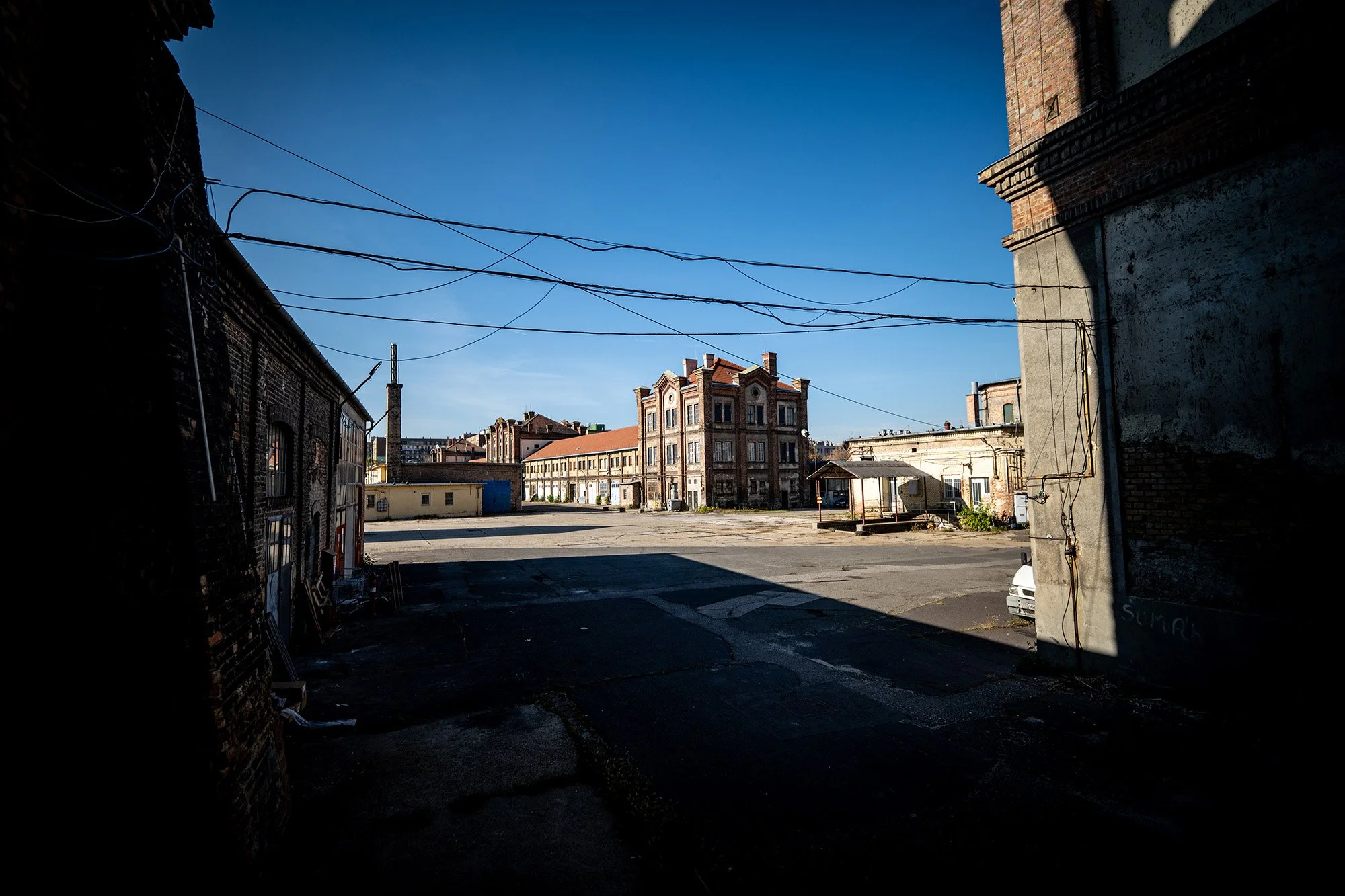
We collaborate with municipalities, developers, and institutions on long-term urban renewal processes, such as the Bartók Quarter and the Margit Quarter, the renewal of Józsefváros, or the regeneration and revitalisation of the former Dreher Brewery in the vicinity of Kőbánya’s neighbourhood centre. These projects bring together local knowledge, the experience of cultural actors, and policy objectives within a common framework.
For us, strategy is a series of practical steps built on each other, always adapting to the activity at hand. An ideal city functions as a network, one in which all of us – who live here, work here and belong to its community – collectively contribute to a more liveable environment.
WE_CREATE_KNOWLEDGE
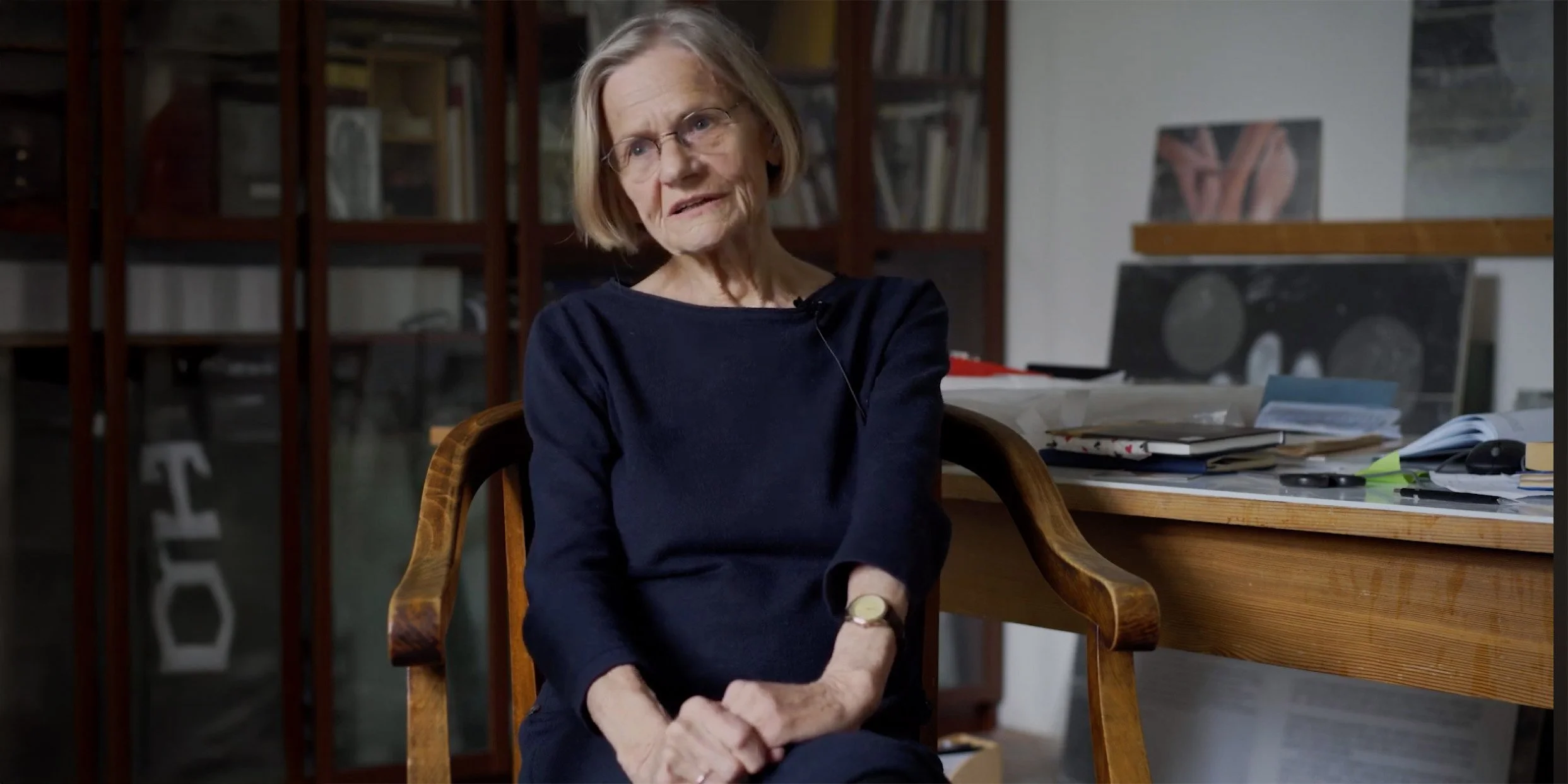
We consider the documentation of shared knowledge about the city essential to shaping it.
The Cultural Spaces of Lágymányos series maps the relationship between urban communities and art spaces in Budapest’s 11th District, while the Velem Archive’s oral history collection documents a key period in Hungarian textile art.
We continue to develop this knowledge together with partners, local and international platforms, such as acb ResearchLab, Freie Universität Berlin, the Institut für Kultur- und Medienwirtschaft, and the Central Academy of Fine Arts in Beijing. Through our studies, methodological materials, and associated events, we are building a continuously growing open archive – one that is free for all to access and use.